Effective Pest Control Strategies: Keep Your Home Free from Pests Year-Round
Maintaining a pest-free home requires a methodical approach. Typical pests invade for various causes, including food sources and refuge. Robust preventive measures play a vital part in maintaining these unwanted visitors at distance. Prompt responses to pest emergencies can create a substantial difference. Understanding the equilibrium between organic solutions and chemical treatments is essential. Yet, many homeowners overlook the subtleties of continuous maintenance and inspection. What steps can be taken to guarantee sustained effectiveness?
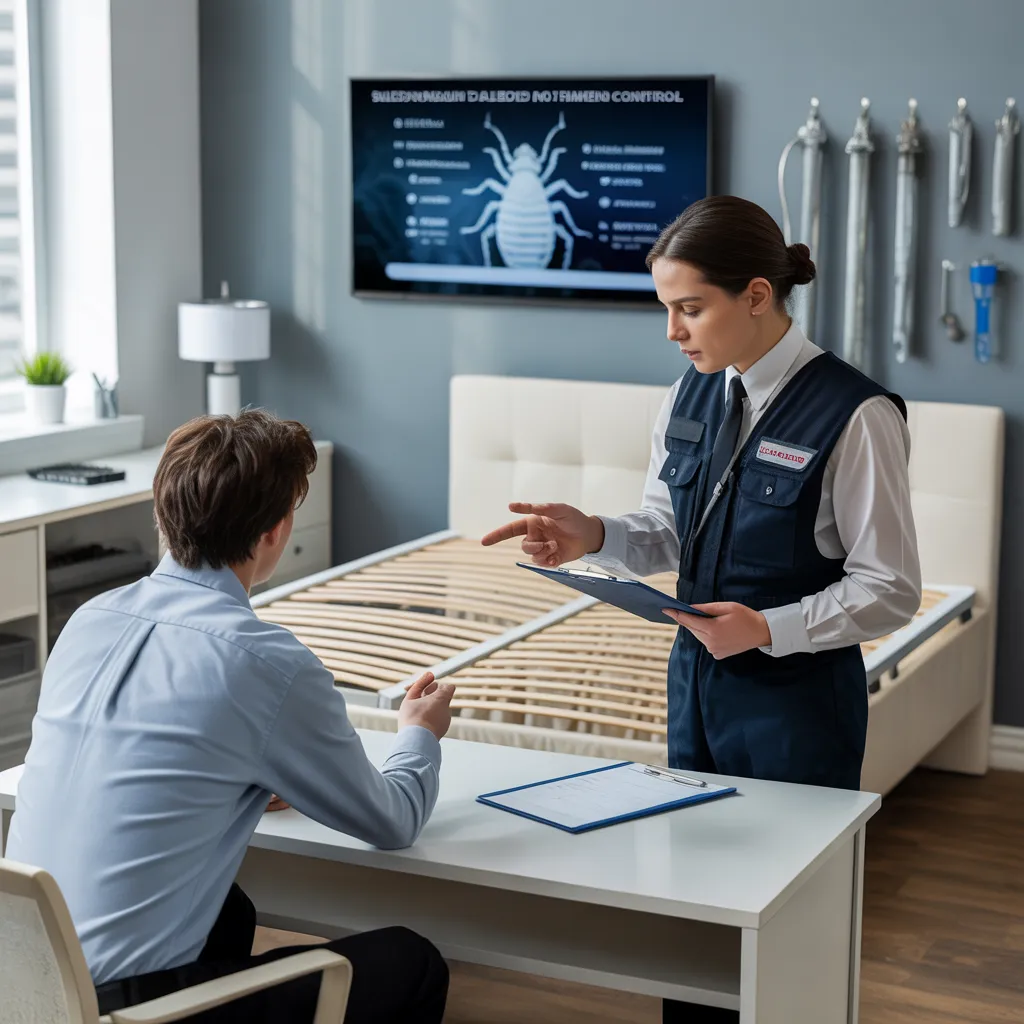
What Pests Are Common and Why They Invade Your Home?
What prompts pests to breach homes? Assorted factors allure common pests, including rodents, ants, and cockroaches. Food sources, such as crumbs and spills, constitute considerable lures, providing easy access to sustenance. Additionally, moisture is a critical factor, with damp areas in kitchens and bathrooms creating favorable conditions for infestations.
Shelter serves as a essential component; pests search out small openings and disorganized areas to build homes and take shelter from predators. Seasonal changes can worsen these invasions, particularly during winter seasons when insects pursue heat.
Specific settings, like gardens and overgrown vegetation, can further lure pests, offering both food and concealment. Grasping these motivations helps homeowners recognize the importance of maintaining a clean, dry, and well-sealed environment to deter unwanted guests. By addressing these factors, the likelihood of pest invasions can be considerably decreased.
Powerful Preventive Approaches to Stop Pests Away
To successfully keep pests at bay, individuals should concentrate on closing access routes, keeping spaces tidy, and conducting regular inspections. These preventive actions create barriers that discourage insects from infiltrating residences and establish a less inviting habitat. Implementing these strategies can significantly decrease the likelihood of infestations.
Protect Entry Points
Sealing openings is an vital step in efficient pest control because it considerably lessens the chance of infestations. Pests frequently enter houses through small cracks and fissures in walls, windows, and doors. Homeowners must carry out a thorough inspection to spot vulnerable spots such as utility lines, vents, and foundation cracks. Employing materials such as caulk, weather stripping, and mesh screens can effectively block these entry points. Ongoing maintenance is necessary since wear and tear may create new openings. By adopting proactive measures to seal entry points, homeowners can significantly reduce the risk of pests penetrating their living spaces, promoting a more sanitary and comfortable environment.
Keep your environment clean
A clean environment functions as a formidable barrier from pests, markedly reducing the chances of infestations. Consistent cleaning routines, such as vacuuming and dusting, purge food particles and possible breeding grounds, making homes uninviting to insects and rodents. Appropriate waste handling is essential; storing garbage in sealed containers prevents pests from being lured by odors. Additionally, cleaning spills and crumbs without delay discourages pests from establishing a presence. Consideration should also be given to outdoor areas; maintaining gardens and yards, like trimming overgrown plants, can deter pests from entering the home. By fostering a consistently tidy environment, homeowners can notably enhance their pest prevention efforts, generating a less hospitable atmosphere for unwanted intruders throughout the year.
Regular Inspections Needed
Keeping a clear environment is essential, and regular inspections are equally important in stopping pest infestations. Homeowners should carry out detailed checks of both interior and outside locations, focusing on typical problem areas such as basements, attics, and the areas around windows and doors. These inspections help in identifying early signs of pest activity, including droppings or damaged materials. Additionally, seasonal inspections can reveal vulnerabilities caused by changing weather conditions, allowing for timely interventions. Engaging professional pest control services for detailed assessments can further improve prevention efforts. By prioritizing regular inspections, individuals can protect their homes and maintain a proactive stance on pest management, greatly reducing the risk of an infestation taking hold.
How to Respond Quickly to Pest Crises
When background information pest situations arise, accurate identification of the pest is critical for proper management. Determining the pest species allows for the implementation of specific pest control. Quick action not only alleviates destruction but also inhibits future pest occurrences.
Identify The Pest Quickly
How can homeowners efficiently respond to infestation crises? The first step is detecting the pest swiftly. Identifying the specific type of pest enables targeted action and stops further infestation. Homeowners should observe key characteristics such as dimensions, color, and patterns, while also noting the location of the pest. Utilizing internet tools or pest identification apps can ease this process. Additionally, keeping a pest journal can help track sightings and patterns, making it simpler to identify recurring issues. When in doubt, consulting a pest control professional can provide clarity and expert insight. Prompt identification not only assists in immediate response but also guides long-term prevention strategies, ensuring a pestless environment year-round.
Implement Urgent Containment Measures
Taking fast action is important when a pest emergency takes place. Prompt control measures can significantly mitigate damage and lessen health risks. Begin by assessing the situation to identify the pest type and the scale of the infestation. This evaluation helps determine the selection of proper treatment methods. For insects such as ants or cockroaches, traps or insecticides can be quickly used. In cases with larger pests like rodents, sealing entry points and placing traps is key. It’s necessary to follow safety practices by using protective gear when handling chemicals. If the infestation seems severe, contacting a professional pest control service is recommended. Acting quickly not only solves the immediate threat but also stops pests from becoming a ongoing problem.
Weighing Natural Remedies against Chemical Pesticides for Pest Elimination
When it comes to pest control, should homeowners lean towards natural remedies or chemical treatments? This decision often depends on personal preferences, effectiveness, and environmental concerns. Natural remedies, such as diatomaceous earth, essential oils, and vinegar solutions, appeal to those seeking eco-friendly options. They tend to be safer for children and pets, but may require more frequent applications and can lack the potency of chemical solutions.
On the flip side, chemical treatments, including bug control agents and rodenticides, frequently provide immediate and potent results. Yet, they can pose health risks and might encourage resistance in pests over time. Homeowners must assess the benefits and drawbacks of each approach, considering elements like the severity of the infestation, the presence of vulnerable individuals in the home, and long-term sustainability. Ultimately, a balanced strategy that incorporates both methods may yield the best results for maintaining a pest-free environment.
When Should It Be to Call a Pest Elimination Expert?
Deciding the appropriate time to reach out to a pest control specialist can greatly influence the success of pest management efforts. Homeowners should think about contacting a professional when they detect evidence of an infestation that exceeds their capability to manage, such as a substantial number of rats and mice or insects. Furthermore, if do-it-yourself methods don't yield results after a adequate timeframe, it might be prudent to obtain expert services.
A key factor is the potential health risks tied to specific pests. For instance, termites can cause building damage, while cockroaches may spark allergies or asthma. Moreover, if pests are spotted in delicate areas like kitchens or bedrooms, professional action is recommended. Finally, if the pest problem is persistent or repeating, an expert can supply a holistic assessment, guaranteeing a extended solution rather than quick-fix relief. Catching these scenarios promptly can produce a more effective and potent pest control strategy.
Annual Guidance for Maintaining a Pest-Control Home
Once residents understand when to seek qualified pest removal experts, they can adopt preventive actions to keep a home without pests all year long. Consistent monitoring are vital; looking for evidence of pest presence, such as droppings or nests, can help spot concerns early. Block any cracks or gaps in walls, windows, and doors to block bugs and rodents from entering. Maintaining cleanliness is vital; promptly cleaning up food spills and storing food in airtight containers can deter pests.
Seasonal tasks also matter. In spring, homeowners should remove debris from yards and trim overgrown bushes. In fall, ensuring gutters are clean and downspouts channel water away from the foundation can minimize moisture, which attract pests. Finally, using natural repellents, such as essential oils or diatomaceous earth, can provide an effective to pest management. By applying these methods, homeowners can significantly lower their risk of infestations year-round.
Frequently Inquired Questions
What Manner Do Temperature Fluctuations Effect Pest Activity Indoors?
Climate variations considerably influence indoor pest activity. Warmer temperatures may increase insect reproduction, while humidity can foster infestations. Conversely, colder conditions often propel pests indoors, hunting shelter and food, thereby intensifying indoor pest problems.
Can Your Pets Lure Pests Into the Home?
Pets may definitely bring pests into your home. Their fur, food, and waste frequently function as attractants for fleas, ticks, and rodents, heightening the chance of infestations if not properly maintained and kept in check.
How Does Landscaping Contribute to Pest Management?
Proper plant selection, regular maintenance, and strategic placement are key tools for pest control by determining whether pests can survive. These landscaping practices can discourage pest infestations, eliminate pest hiding spots, and boost populations of beneficial insects, ultimately promoting overall environmental wellness.
Do Certain Times of Year See Increased Pest Activity?
Pests are usually more busy during warmer months, in particular spring and summer, when it gets hotter and food sources are plentiful. Fall may experience heightened movement as species get set for winter, seeking shelter and sustenance.
How Do I Pinpoint Where a Unwanted Pest Situation is Coming From?
To determine the source of a pest problem, it is necessary to inspect all potential entry points, examine food storage areas, and search for signs of infestation, like droppings or nests, to identify the root of the infestation.